The Complete Homeowner’s Guide to Septic Services
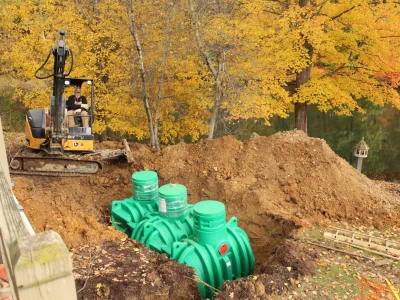

A septic system is easy to ignore when it is working well. Nothing hums in the background, no utility bill arrives every month, and most of the equipment sits buried out of sight. That quiet can be misleading. A private wastewater system needs routine care, informed use, and occasional professional attention. When homeowners put it off too long, the repair bills can be painful, and the mess can be worse.
I have seen the pattern many times. A family moves into a home with a septic tank, assumes it works like city sewer, and goes years without pumping or inspection. Then a wet patch appears in the yard. Toilets start gurgling. A shower backs up on a holiday weekend. At that point, a straightforward maintenance visit turns into an emergency call, often followed by excavation, drain field work, or plumbing repairs inside the house.
Good septic services are not only about pumping a tank. They include inspection, diagnosis, maintenance, record-keeping, repair, and practical advice tailored to the property. Homeowners who understand the basics make better decisions, ask better questions, and usually spend less over the long run.
What a septic system actually does
A conventional septic system handles wastewater from toilets, sinks, showers, laundry, and sometimes garbage disposals. Wastewater leaves the home through a main sewer line and flows into the septic tank. In the tank, solids settle to the bottom as sludge, fats and lighter material rise to the top as scum, and partially clarified liquid remains in the middle. That liquid then moves out to the drain field, where it filters through soil and receives further treatment naturally.
This process is simple in concept, but the system depends on balance. The tank needs enough time to separate solids from liquids. The drain field needs soil that can absorb and treat wastewater at a manageable rate. Pipes and baffles need to remain clear and intact. The household needs to avoid sending down materials that do not break down well or that overload the system hydraulically.
When one part falls behind, the rest of the system feels it. A full tank can push solids toward the outlet. A clogged effluent filter can cause backup into the home. Saturated soil in the drain field can leave wastewater with nowhere to go. That is why septic services are best viewed as preventive infrastructure care, not as a one-time response when something smells bad.
The main septic services homeowners should expect
Many people use the phrase septic services to mean tank pumping alone. Pumping is important, but it is only one piece of the work.
A professional septic company may provide routine pumping, full system inspections for maintenance or real estate transactions, locating buried tank lids, riser installation, filter cleaning, line clearing, leak diagnosis, tank repairs, pump replacement for advanced systems, and drain field troubleshooting. In some areas, companies also handle permits and coordination with local health departments when a system needs major work.
The difference between a quick pump-out and a thorough service call can be substantial. A strong technician does more than empty the tank. They look at sludge and scum levels, note whether wastewater is flowing properly from the house, inspect inlet and outlet baffles if accessible, check filters, and watch for signs that solids may be reaching the drain field. They may also ask about occupancy, garbage disposal use, laundry volume, and past service dates. Those questions matter because septic systems fail from patterns, not from bad luck alone.
If you own a home with a pump chamber, aerobic treatment unit, or other non-conventional setup, your needs are more involved. Mechanical components wear out. Alarms require attention. Maintenance intervals tend to be shorter and more important. In those cases, skipping service can shorten equipment life quickly.
Pumping is routine, but timing is not one-size-fits-all
Homeowners often ask the same question: how often should a septic tank be pumped? The honest answer is that it depends. Tank size, number of occupants, water use habits, garbage disposal use, and whether the home is occupied full-time all influence the schedule.
For many households, every three to five years is a reasonable starting range. A small tank serving a large family may need pumping more often. A larger tank at a lightly used seasonal property may go longer. But guessing is not ideal. The better approach is to have the tank inspected on a sensible schedule and pumped based on measured sludge and scum accumulation.
I have seen tanks that needed pumping after two years because a family of six moved into a house designed decades earlier for a smaller household. I have also seen tanks go longer than expected because the home had low occupancy and conservative water use. The system does not care about rules of thumb as much as it cares about loading.
Skipping pumping can be expensive in a very specific way. Once solids escape the tank and move into the drain field, pumping alone does not fix the problem. At that stage, the field may need rehabilitation or replacement, and that is where costs climb fast. A routine service visit might cost hundreds. Major drain field work can reach into the thousands or much more, depending on site conditions, permitting, and system design.
Warning signs that deserve quick attention
Some septic problems announce themselves early. Others stay hidden until a backup occurs. Homeowners should pay attention to small changes because they often show up before a full failure.
- Drains throughout the house become slow at the same time, especially after laundry or long showers.
- Toilets gurgle or burp when water is used elsewhere in the home.
- Sewage odors appear near the tank, the drain field, or in the basement.
- Grass over the drain field turns unusually lush, soft, or wet during dry weather.
- Wastewater backs up into tubs, showers, or floor drains.
Not every slow drain means septic trouble. A single slow sink is often just a local clog. What matters is the pattern. Whole-house symptoms, yard saturation, and repeated backups call for prompt septic service. Waiting usually narrows your options and raises the bill.
What happens during a proper inspection
A good inspection is part observation, part measurement, and part judgment. The technician begins by identifying the system type and locating access points. That sounds basic, but many homeowners do not know exactly where the tank, distribution box, or drain field sits, especially if the property changed hands several times.
Once the tank is open, the inspector checks liquid levels, the condition of baffles or tees, evidence of backflow, and sludge and scum accumulation. If the tank has an effluent filter, it should be removed and cleaned. On systems with pumps, floats, or alarms, electrical and mechanical components may be tested. The area over the drain field may also be reviewed for soggy soil, odor, settling, or root intrusion.
An inspection should not be rushed. Real septic work requires interpretation. For example, a high liquid level in the tank might indicate a saturated drain field, but it could also point to an outlet obstruction. Grease buildup may suggest heavy disposal use or kitchen habits that are hard on the system. Cracked lids and missing risers raise safety concerns as well as maintenance challenges.
For homebuyers, septic inspections deserve particular attention. A standard home inspection often does not go deep enough into the wastewater system. If the property relies on a septic tank, arrange a dedicated septic evaluation. It is far better to discover a compromised tank or aging drain field before closing than after the first family gathering fills the house.
The mistakes that shorten septic system life
Most premature septic failures have a human cause. The system may be old, but misuse often pushes it over the edge.
The first common mistake is treating the drain like a trash can. Wipes labeled flushable, hygiene products, paper towels, dental floss, grease, cat litter, and coffee grounds can all contribute to blockages or excess solids. Some items break down slowly, others not at all. The label on the package is less important than the reality inside the tank.
The second mistake is overloading the system with water. A septic tank needs retention time, and a drain field needs manageable flow. If a household runs several loads of laundry back to back, hosts guests all weekend, and has a leaking toilet flapper at the same time, the hydraulic load can spike dramatically. That extra water can stir up solids in the tank and push them where they do not belong.
The third mistake is neglecting the area above the system. Heavy vehicles compact soil and can crush pipes. New patios, sheds, and above-ground pools are sometimes placed where they should not be. Deep-rooted trees and shrubs can send roots into lines or distribution components. Even routine landscaping choices affect septic performance.
The fourth mistake is relying on additives as a substitute for service. Many products promise to eliminate pumping or restore failing systems with a bottle or packet. Be skeptical. Some additives may do little. Others can disrupt the normal separation process in the tank and increase the risk of solids reaching the drain field. Routine inspection and pumping remain the foundation of maintenance.
Practical habits that protect your system
Homeowners do not need to obsess over their septic system, but a few steady habits go a long way.
- Spread out laundry loads across the week instead of doing all of them in one day.
- Fix leaking toilets, dripping faucets, and running fixtures promptly.
- Keep grease, wipes, and other non-degradable materials out of drains.
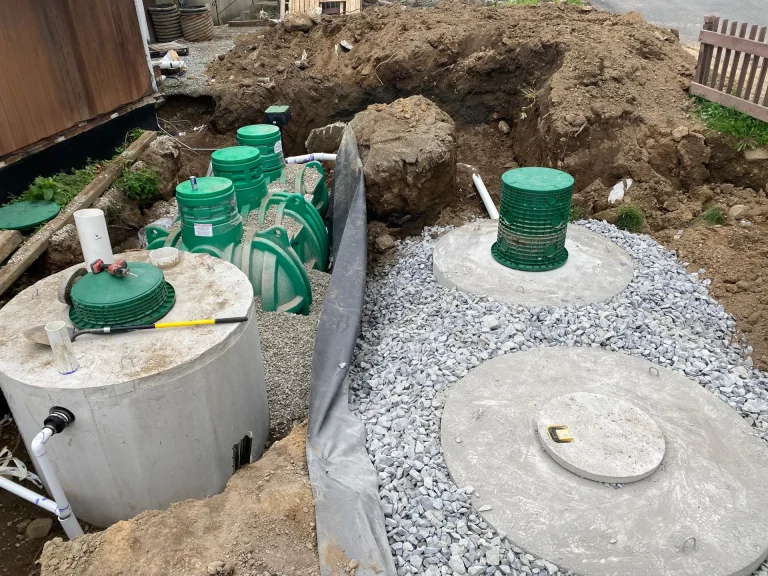
- Know where the tank and drain field are, and keep vehicles and heavy equipment off them.
- Save service records, pump dates, and any diagrams or permits tied to the system.
These habits are not glamorous, but they work. The best septic systems I have seen are usually attached to households that follow boring, consistent routines.
Septic repairs, from simple to serious
Not all repairs carry the same weight. Some are relatively contained. Others change the economics of owning the property.
A missing or damaged tank lid, a clogged filter, or a broken riser is usually manageable. Replacing an effluent pump or float switch in an advanced system can be more involved, but it is still often a targeted repair. A damaged line between the house and the tank may require excavation, yet the fix remains localized.
Drain field issues are more complicated. If the field is saturated due to temporary overuse or a clogged filter upstream, the problem may improve once the immediate cause is handled. If the soil is failing, if biomat buildup has reduced absorption, or if years of solids carryover have clogged the field, the remedy can be extensive. Depending on local rules and site conditions, a replacement may require redesign, permits, and a suitable area on the property that meets setbacks from wells, property lines, and waterways.
That is one reason early service matters. A technician who catches a damaged baffle or overloaded tank in time may prevent solids from migrating into the field. Once the field is compromised, the range of practical options shrinks.
Cost expectations and what drives the bill
Septic costs vary widely by region, system type, accessibility, soil conditions, and local regulations. It is better to think in categories than in universal price tags.
Routine pumping is typically the least expensive major service most homeowners will schedule. Inspection fees vary depending on whether the visit is a basic maintenance check or a more detailed real estate evaluation. Locating a buried tank, digging up lids, or working around poor site access adds labor. Installing risers can increase the initial service bill, but it often saves money and hassle later because future access becomes much easier.
Repair costs rise with excavation, mechanical equipment, and uncertainty. Replacing a pump or repairing a broken lid is one tier. Replacing a line or addressing a collapsed baffle is another. Drain field replacement sits in a different category altogether and often involves the largest numbers because it combines design, earthwork, materials, and compliance.
Homeowners sometimes resist preventive service because they want to avoid https://www.flickr.com/people/204701822@N05/ spending a few hundred dollars. In practice, that decision can expose them to far larger and less predictable costs. Septic systems reward maintenance because the alternatives are messy, disruptive, and rarely cheap.
Choosing a septic company without guessing
Not all providers approach septic services with the same level of care. Some are excellent diagnosticians. Others are fast pumpers with limited interest in long-term system health. Homeowners benefit from asking direct questions.
Find out whether the company handles both routine maintenance and diagnostic work. Ask what is included in a service visit beyond pumping. If you have never seen your tank location or layout, request that the technician explain it on site. Ask whether they will inspect baffles, check filters, and note warning signs. A reputable company should be comfortable discussing system condition in plain language.
Local knowledge matters more than slick marketing. Soil types, permit rules, seasonal groundwater issues, and common system designs vary by county and region. A company that works every day in your area often knows which neighborhoods have shallow bedrock, which older subdivisions were built with undersized tanks, and which properties struggle after heavy rain.
It also helps to keep records after each visit. A handwritten tank map, the pump date, the measured sludge level, and notes about repairs can be surprisingly valuable later. When a different technician comes out five years from now, those records provide continuity. They can also help when selling the home.
Seasonal and property-specific issues homeowners overlook
Septic systems do not operate in a vacuum. Weather and property conditions shape performance.
After extended rain, even a healthy drain field may move wastewater more slowly because the soil is already carrying more moisture. During those periods, water conservation inside the home matters more. Long showers, extra laundry, and guest traffic can tip a stressed field into visible saturation.
Vacation homes present a different challenge. Long periods of low use are usually not harmful on their own, but seasonal reopenings can create a sudden surge in demand. If a cabin sits quiet for months and then hosts three families for a long weekend, the system gets tested fast. A pre-season inspection can be wise if the property has an older setup.
Older homes often come with poor records, hidden lids, and additions that changed occupancy without changing tank size. A three-bedroom house from the 1970s may now function like a five-bedroom home with far more daily water use. Those mismatches do not always show up in listing details, but they show up in service history.
When a problem is urgent
A true septic emergency usually involves sewage backing into the house, standing wastewater in living areas, or a system alarm on an advanced setup that does not clear after basic troubleshooting. In those moments, the first step is not complicated: reduce water use immediately. Stop laundry, shorten or postpone showers, and avoid flushing anything that can wait.
If sewage has entered the home, professional cleanup may be needed in addition to septic repair. Wastewater contamination is a health issue, not just an inconvenience. Porous materials may need removal, and disinfection should be handled seriously.
If your system has a high-water alarm, do not silence it and forget it. Sometimes the cause is a failing pump. Sometimes it is a float issue. Sometimes it is a sign that wastewater has nowhere to go. The alarm exists because continued use can create a backup very quickly.
The long view pays off
A well-maintained septic system can serve a home for decades. That does not happen by accident. It happens because the homeowner learns the layout, pumps the tank when needed, responds to early warning signs, and works with a service provider who treats the system as more than a tank to empty.
There is a practical confidence that comes from understanding your wastewater system. You know what normal looks like. You know where the lids are. You keep records. You notice when drains change character. That kind of familiarity is not obsessive, it is responsible ownership.
Septic services are easiest to appreciate when you stop thinking of them as a grudging expense and start seeing them as insurance for one of the most important systems on the property. A septic system handles everything your household sends downstream every day. Giving it steady, informed care is one of the simplest ways to avoid preventable damage, protect your home, and keep an expensive problem buried where it belongs.
Excavating New Jersey LLC
Address: 406 County Rd 565, Wantage, NJ 07461
Phone number: +19737914284
FAQ About Septic Services
What is the average cost to get a septic tank emptied?
Emptying a septic tank costs between $290 and $560 on average, with most homeowners paying about $420. Prices vary based on tank size.
What is septic service?
Septic service inspects, pumps, cleans, and maintains a septic tank. A septic tank is a large, underground container that collects and treats wastewater from your home. Over time, sludge, scum, and other debris, like hair and solids, can build up in your tank and clog your drain field.
How often should you have a septic tank serviced?
A standard septic tank should be inspected every 1 to 3 years and pumped every 3 to 5 years. However, the exact schedule depends on your tank's capacity, household size, and daily water usage.